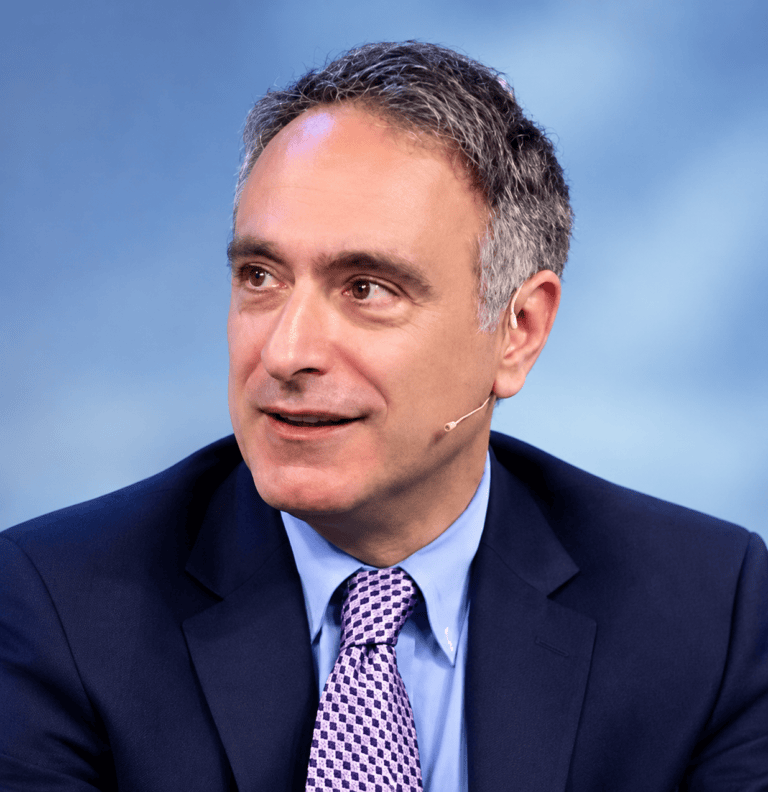
Hear from Luciano Fursano – Technical & Institutional Relations Manager, Grupo Metropol
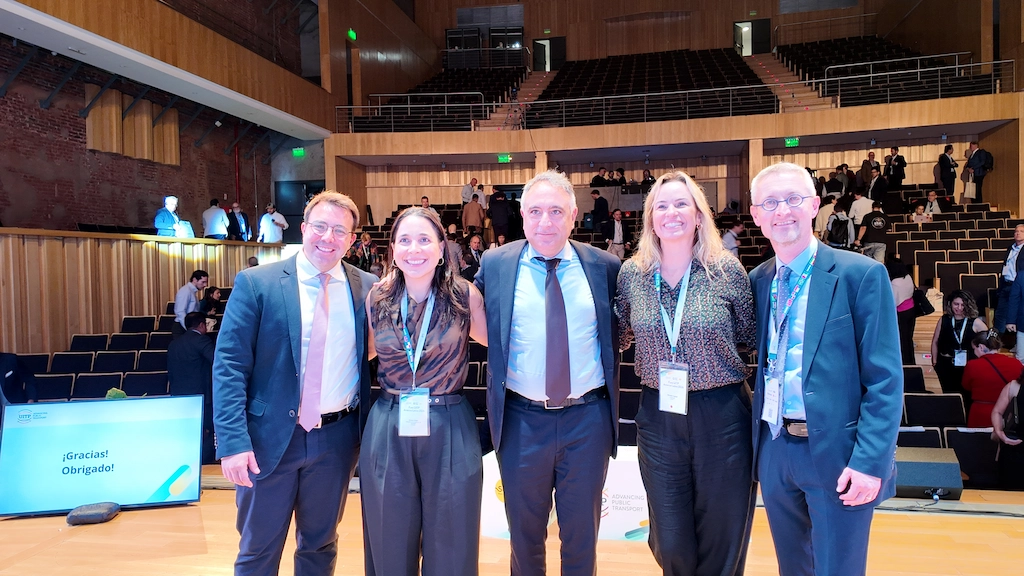
The UITP Latin America Forum 2026 gathered 350+ participants from 35+ countries in Buenos Aires. At the event, Argentina’s mobility leaders shared their insights with regional and global public transport professionals.
That includes Luciano Fusaro, the Technical and Institutional Relations Manager at Grupo Metropol, one of the Forum’s Gold sponsors. Hear from Luciano about the present and future of mobility in Buenos Aires, including a focus on its energy transition to clean buses.

What can you share about Metropol’s contribution to public transport in Buenos Aires today?
Well, here in Buenos Aires, at the moment, we are going through a very important transition, catching up when it comes to replacing vehicles with clean energy units.
This is one of the largest systems in the world, with 17,000 buses, 98% of which are still diesel vehicles.
In 2025, the City of Buenos Aires implemented a series of policies to encourage clean energy. These were joined by two other jurisdictions operating here in the Buenos Aires Metropolitan Area, which has allowed close to 200 clean energy vehicles to be introduced in a year and a half.
There are many difficulties related to access to credit and investment in infrastructure. The authorities are helping to offset these through incentives, so that companies can speed up this renewal.
In the case of Metropol, the company where I work, which is one of the largest operators in the region, it operates 1,500 buses in the Buenos Aires Metropolitan Area.
It has already fully renewed two of its lines, will fully renew a third line in a few weeks, and expects to add around 400 more vehicles during the coming year.
This is taking place in a context where other operators are also investing. Given the scale of the Buenos Aires Metropolitan Area, it will certainly be a process that requires quite a few years still.