What We Learnt from the Region's Leaders at the UITP Latin America Forum 2026
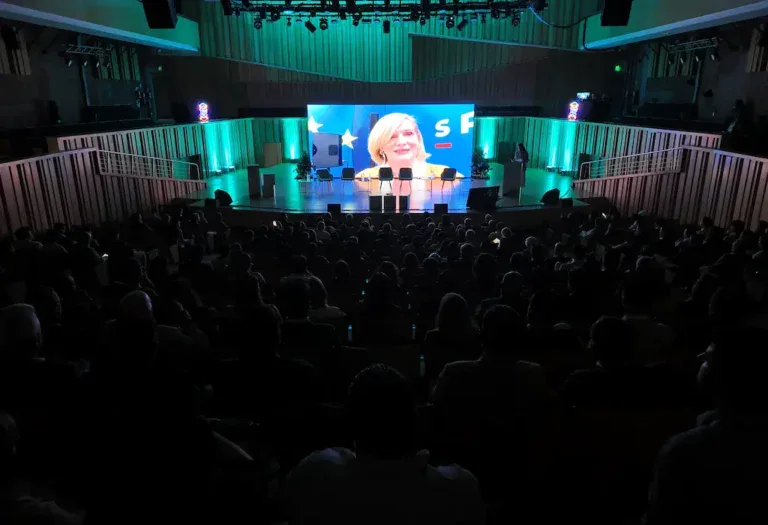
350+ participants from 35+ countries. Buenos Aires set the stage for a unique meeting of Latin America’s public transport leaders. At the UITP Latin America Forum 2026, hosted by the City of Buenos Aires and Subte, the region’s key authorities, operators, and industry players gathered to shape the present and future of mobility.
From bold funding strategies to the energy transition, experts came far and wide to share insights with their peers. Leaders had wide-ranging discussions, but one idea was consistent. In the words of the UITP Latin America Division President Marcio Hannas, collaboration is key to delivering “cities that are more connected, more safe, with more public transport as the backbone of sustainable development”.
UITP Latin America Division and Bus Committee Meetings Bring Global Experts Together
From the Latin America Division and its Working Groups to the UITP’s Bus Committee, the event brought together global expert members.
The Latin America Division was opened by our regional President, Marcio Hannas, and the President of SUBTE, Javier Ibáñez, who presented the latest plans of the company.
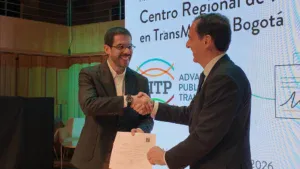
Those introductions, set the Division meeting agenda, followed by a presentation by Dionisio González, UITP Director for Latin America, on future development and recent achievements. That includes 39 new members from the 15 countries in region, +3000 participants in regional webinars and trainings, +20 participation in regional events, as well as the launching of new Regional Training Centres alongside NTU in Brasilia and TransMilenio in Bogota.
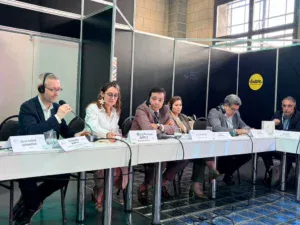
After an inspiring exchange between members on potential next developments to keep improving the work with the Association, Agostina Blengino, from our partner UCCI, moderated a great panel with city representatives of Rio de Janeiro, Montevideo, Bogota and Guatemala.
Finally, UITP signed off a number of partnerships with key players in the region (Ella no Transporte, E-Motion and AMTM).
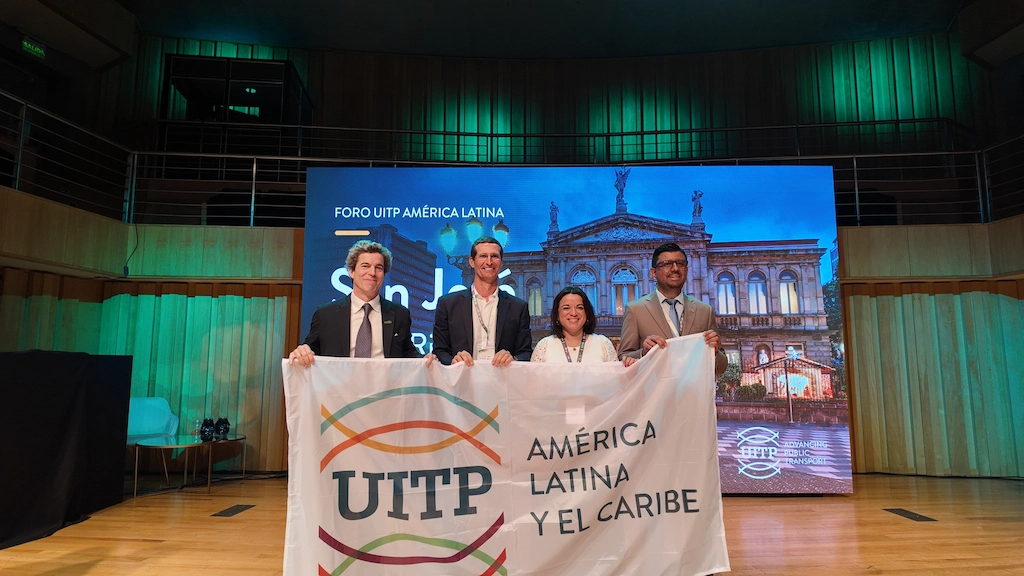
To close, Marcio Hannas shared a big announcement for the UITP Latin America Forum: San José, Costa Rica will host next year’s event on 5-7 October 2027. That marks the first time that the Forum comes to Central America. We look forward to seeing you there!
Meanwhile, the Bus Committee explored electric bus fire safety, battery lifecycle management, and operational resilience.
Drawing on experiences from Latin America and Europe, members discussed how to advance fleet decarbonisation while maintaining reliable services. And the key to all this: strengthening international collaboration.
International collaboration is of course what UITP does – and it is a key strategy of the wider UITP Bus Division to achieve its goals, as recently set out by the Division chair María Fernanda Ortiz in a State of the Bus Union declaration.
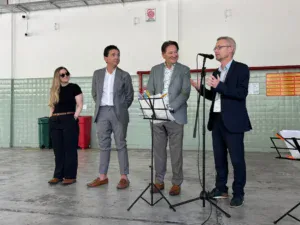
And Buenos Aires has a lot to offer for global bus professionals – it operates one of the world’s biggest bus fleets which make up 85% of all of the city’s journeys. For an experience on-the-ground in Buenos Aires, participants had the chance to join multiple technical visits:
- See inside Subte’s metro control centre
- Explore Metropol’s long-earned expertise and the future of Buenos Aires buses
- Journeying to Santiago de Chile to explore X (INPUT FROM MANEL)

The Region’s Leaders Gather
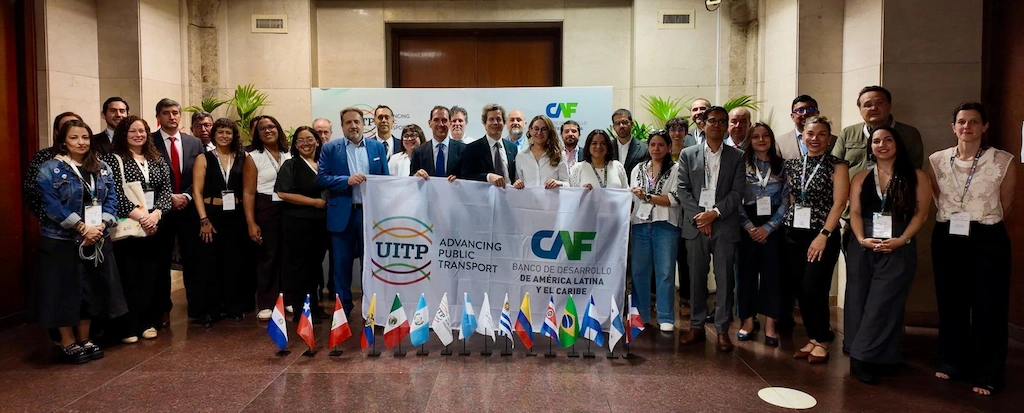
UITP joined with CAF (Development Bank of Latin America and the Caribbean) to bring together the region’s top leaders.
By invitation only, it is the first time a meeting like this has taken place. With executives and policymakers joining, 25+ leaders shared the greatest challenges in their cities.
Many topics were shared in the group, from the need for stable funding frameworks, agile governance and robust regulation, cooperation with energy players, intermodal and fare integration, ticketing and more. Discussions like these are what makes meetings of peers so vital – leaders from different cities at different stages of a journey can learn from one another.
The Platform established their priority topics and agreed the working methodology for the next 2 years.
Conference Time: Panel Insights, Networking & More
Delegates and speakers came from across Latin America and beyond to exchange insights on the top topics in public transport today.
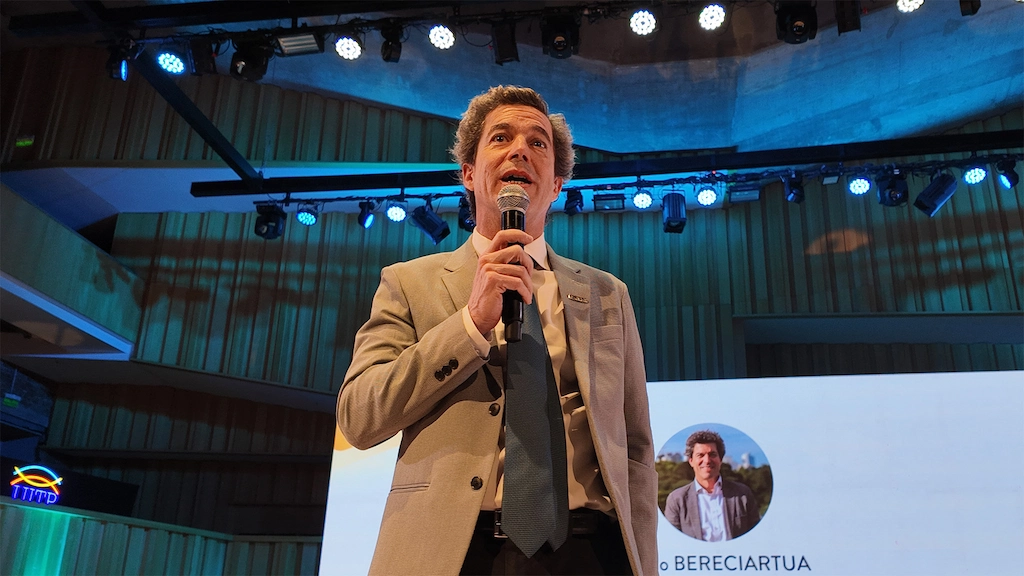
To open the conference, Pablo Bereciartua, Minister of Mobility for Buenos Aires, told the audience about the city’s targets and latest successes, including a new digital payments system (that now makes up 35% of all journeys) and new investments in buses.
Pablo Bereciartua
Minister of Mobility for Buenos Aires
Following that, Marcio Hannas, addressed a packed auditorium, inviting participants to share and exchange with colleagues and peers, taking advantage of UITP’s unique knowledge and networking opportunities.
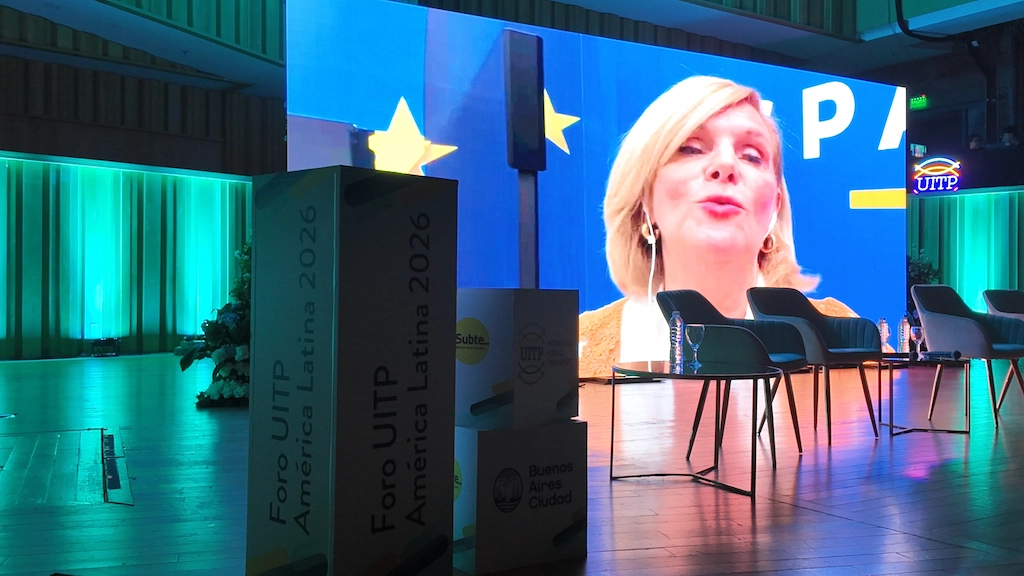
María Neira, candidate for Director of the World Health Organisation, sent in a video message from COP31. Speaking from Antalya, Turkey, she emphasised public transport’s place as central to creating a sustainable, healthy future for citizens.
Directors from CAF, LATAM Development Bank, and IADB, Inter-American Development Bank, briefly presented the new flagship report on ‘Accessibility to opportunities for all in LAC cities’.
And with that in mind, the day’s five expert panel sessions begun.
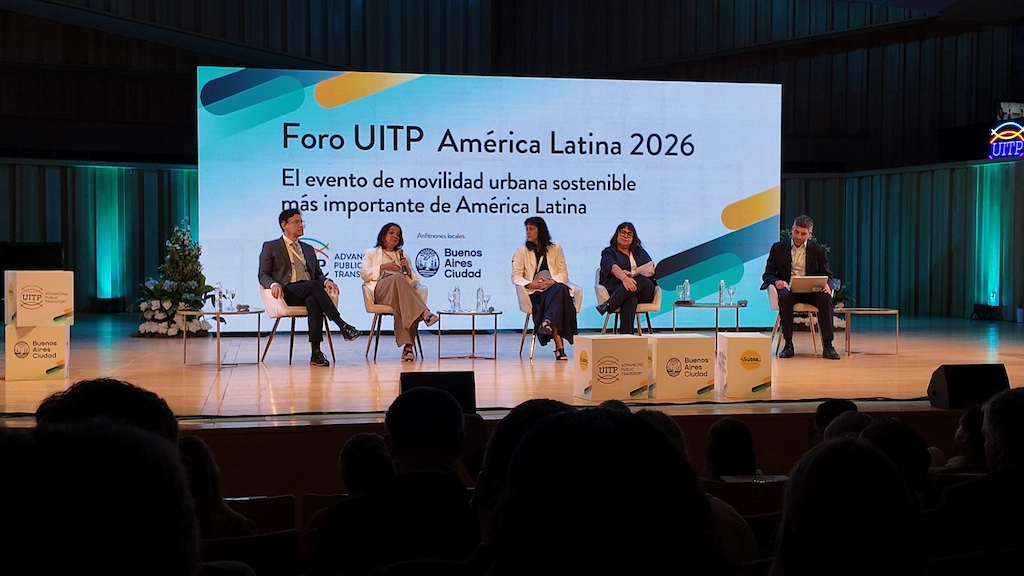
Public Transport Benefits & Quality of Life in Cities
To start, this key panel, moderated by Cristian Navas, Inter-American Development Bank, explored insights on capturing the benefits of public transport.
Simone Costa, Undersecretary of Transport Planning and Projects from Rio de Janeiro, shared how Rio changed the way it captures mobility data to better optimise their offer. Paola García, Executive Secretary at Chile’s Ministry of Transport and Telecommunications added how they track GPS and ticketing data for a more dynamic approach.
Equally, Elkin Velásquez, Executive Director of UN-Habitat for Latin America spoke strongly on the “marriage of public transport and housing”, highlighted in our recent joint publication. In other words, more cooperation with the housing sector to further transit-oriented development. Similarly, Sofía Fallas, Vice-Minister of Transport & Road Safety in Costa Rica, discussed how the city identified dense hotspots to focus their offer.
Bold Policies for Public Transport Funding
Moderated by Metro de Medellín’s Director of Communications & PR Sarita Pérez, the panel included experts from UITP members in Brazil, Uruguay, Chile, and Mexico to discuss funding and investments. The recent UITP-IADB flagship publication acted as background.
Gonzalo Márquéz, Director of STM in Montevideo, Uruguay, discussed how the city structured its BRT corridors along dedicated corridors. Nicolás Rosales, President of the Mexican Association of Transport and Mobility, spoke plainly about the need for good planning from the start: “you cannot subsidise a bad system”.
Fare policy and clearly defined contracts are also crucial, noted Peru’s Patricia Zagal, Deputy Director of Regulation at the Urban Transport Authority for Lima and Callao. Meanwhile Fabio Damasceno, Secretary of Mobility and Infrastructure of the State of Espírito Santo, underlined that you need “a government that is committed to public transport”.
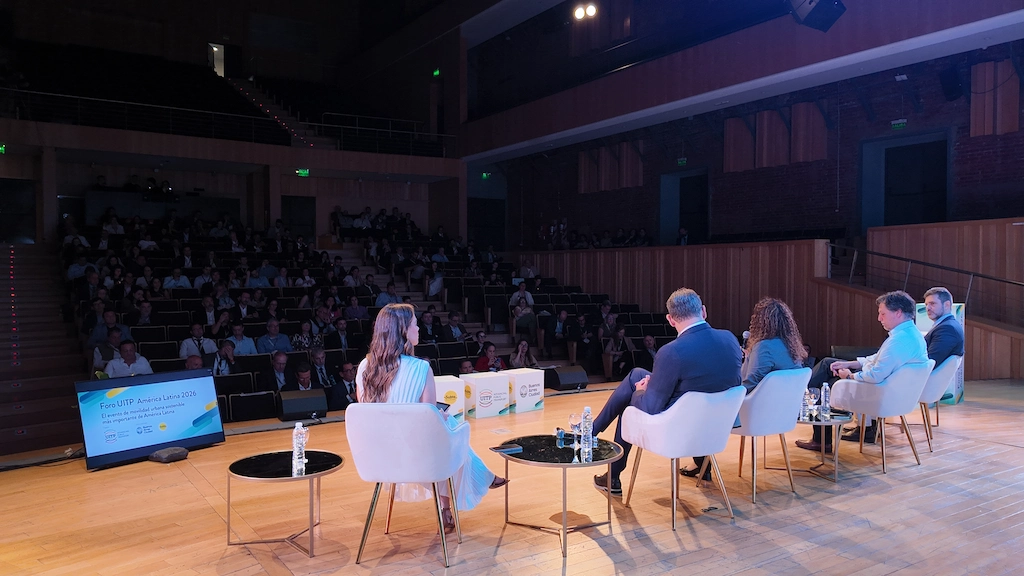
Scaling up the Energy Transition: Clean Buses, Infrastructure and Lessons Across Modes
How do we accelerate the energy transition for buses? That was the main question posed by Manel Rivera, moderator of the session.
UITP Bus Committee chair Christophe Martin presented how Wallonia, Belgium started building capacity cautiously to make the switch smoother – and that cooperation between stakeholders is the biggest challenge of all.
Representing Buenos Aires, Luciano Fusaro (Technical and Institutional Relations Manager at Grupo Metropol) shared that stability is key so that investors can contribute. That’s especially the case when talking about fleets of tens of thousands of buses.
Richele Cabral, Director of SEMOVE in Rio de Janeiro, spoke about the cultural considerations of introducing private operators in a 100,000 strong fleet. At the same time, Elena Chiari, Director of Studies and Projects at MiBus in Panama, noted the challenges of extreme weather and poor road infrastructure can prevent faster adoption.
Just after the lunch pause, delegates enjoyed the launch of a new publication on ‘Guidelines for the revitalisation of railways in LAC was presented by Héctor Carela, CAF Director.
Christophe Martin
UITP Bus Committee Chair
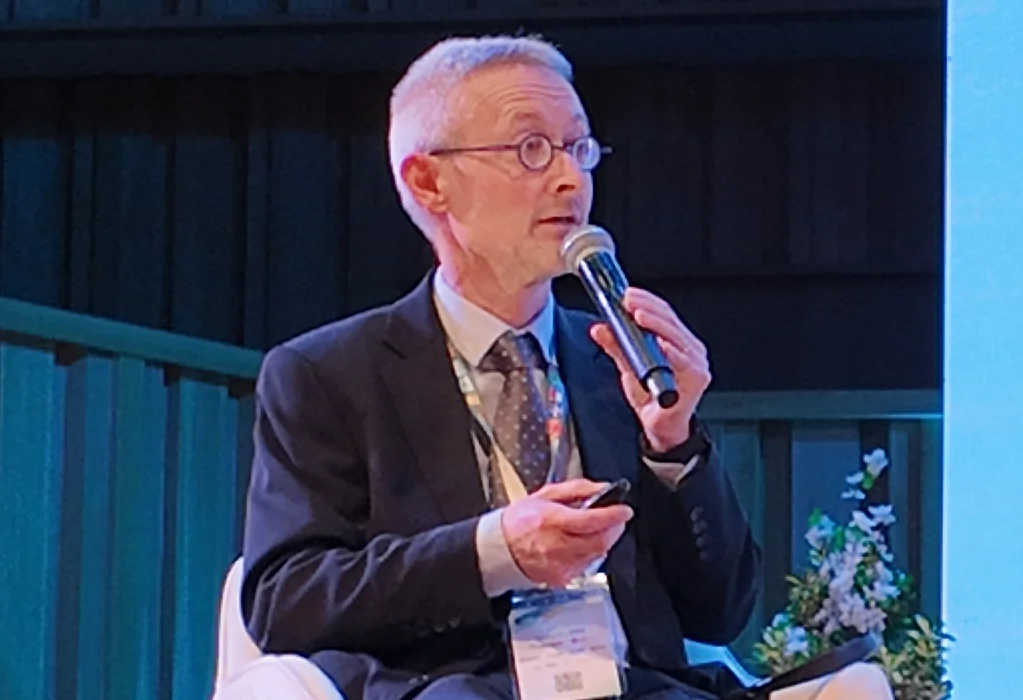
Metro: expansion, modernisation and modal complementarity
Metro expansion is a big topic globally and especially in Latin America. In the panel, moderated by Claudio Leonardi, Director of Operations, SBASE, three key regional experts touched on the considerations of expanding metro systems and improving service quality.
- Ester Litovsky – Director of Strategic Planning, EMOVA
- Joaquim Balsera – Secretary General, ALAMYS
- Marcus Rosa – CFO, Motiva
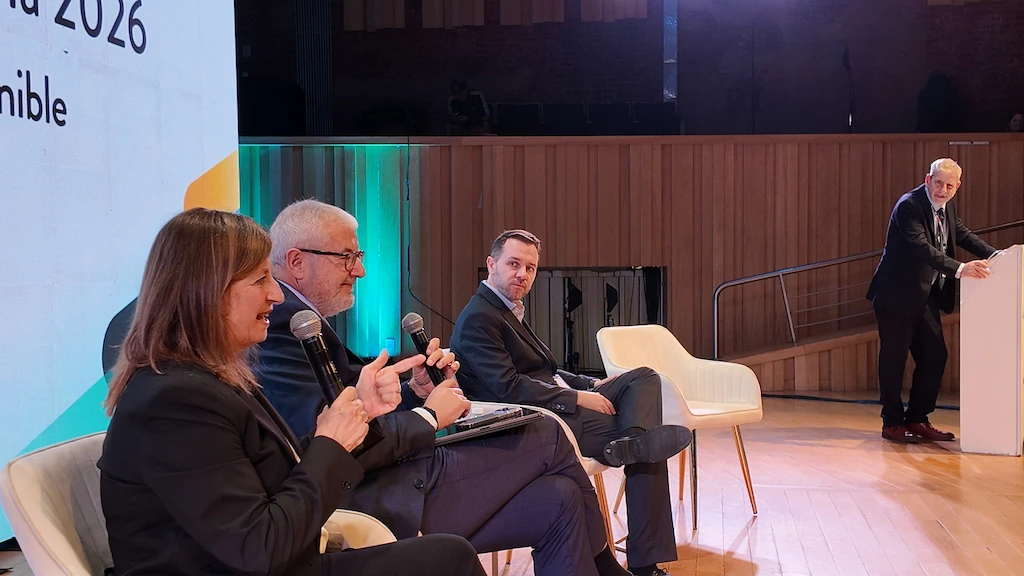
Ticketing, AI and the customer: from data to better service and travel experience
Inclusion. AI’s impact. Easier digital ticketing. Moderated by Veronica Raffo, Senior Infrastructure Specialist from the World Bank Group, this expert panel explored the basics of offering seamless ticketing services.
VISA’s Director of Urban Mobility for the Southern Cone, Lucila Bolatti, mentioned the ease of access. Indeed, Buenos Aires is a great example of this, with 19 million open-loop journeys every month. To follow the lead of Buenos Aires, there are some considerations:
María Fernanda Ortiz, District Secretary of Mobility of Bogotá, shared considerations before implementing digital payments. For instance, many in Colombia still do not possess a bank account.
Meanwhile, Felipe Bravo, General Manager of Metro de Santiago, said that many are scared to take out their phone for fear of insecurity “simply to pay for a bus ticket”.
Sebastián Tamanaha, Executive Vice President, OpenPass, emphasised the need for transparency. For example, if a payment is only charged later, this can create anxiety for the user.
And like every panel, what starts with shared insights turns into collaborative action – including operators, authorities, and industry players.
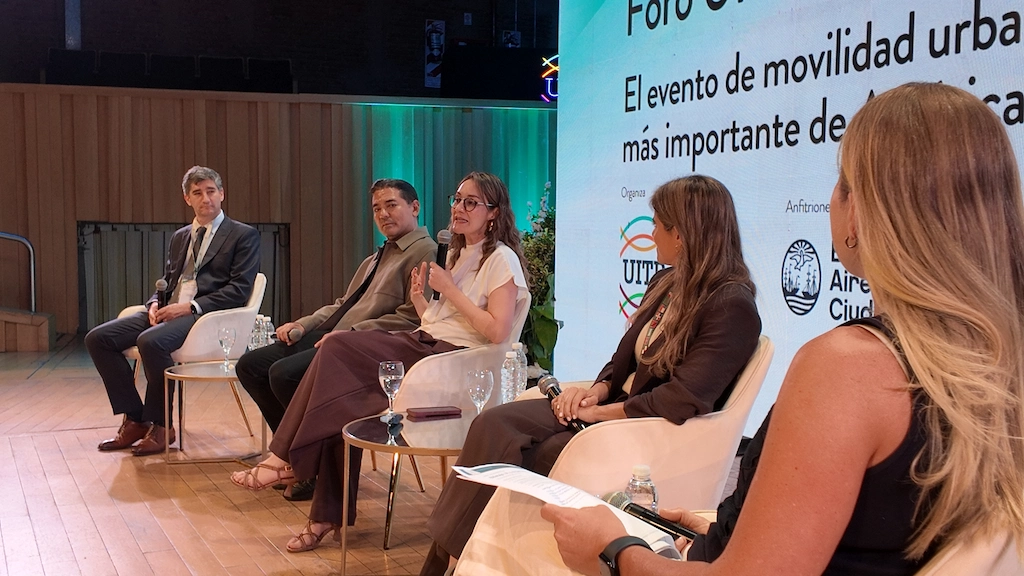
See you in San José, Costa Rica!
To close, Nicolás Rosales, UITP Latin America Senior Vice-President, encouraged the attendees to reflect on the ideas shared and to take home concrete actions to implement in each of our cities. He reminded that the UITP Latin America Forum 2027 will take place in San José, Costa Rica, next 5-7 October 2027.
Technical visits
And Buenos Aires has a lot to offer for public transport professionals. For an experience on-the-ground in Buenos Aires, on 19 November 120+ participants had the chance to join multiple technical visits:
- See inside Subte’s metro
- Explore Metropol’s long-earned expertise and the future of Buenos Aires buses
- Journeying to Santiago de Chile to explore bus reform successful results
Thank you, gracias, and obrigado to all leaders, speakers, members, participants, sponsors and partners for making this Latin America Forum 2026 a success!